2026 Guide to Germany and France Top Employment Sectors for Foreigners.
Finding the right job abroad can be challenging, especially when you’re adjusting to a new country with unfamiliar laws, workplace culture, and language differences. However, in 2026, Germany and France present excellent opportunities for professionals with the right skills, motivation, and persistence.
Both nations have recently opened their doors to more international talent due to labor shortages in key sectors. Whether you’re a recent graduate, an experienced professional, or looking to start fresh abroad, understanding which industries are actively hiring can help you make informed career decisions.
This guide draws from research, firsthand accounts, and the experiences of individuals who have successfully relocated. It provides a practical overview of where opportunities exist and how to position yourself, without exaggeration or unnecessary hype.
Read also: Well paying jobs in South Korea and Russia
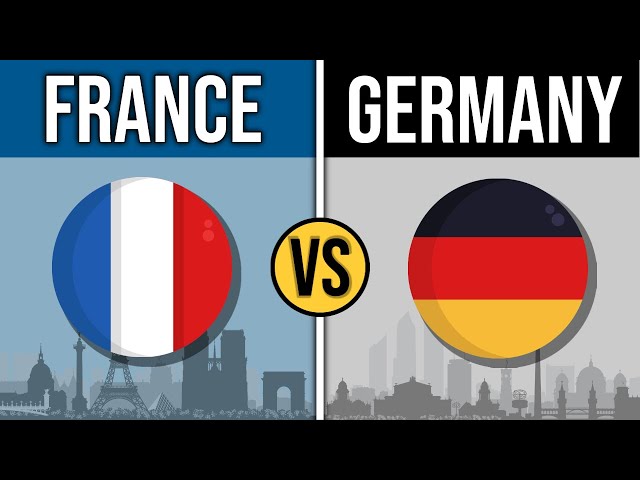
Germany and France are two of Europe’s strongest economies. They lead in industrial and technological development, have sizable populations, and maintain robust education and healthcare systems. More importantly, both countries face a shortage of skilled professionals in sectors like technology, healthcare, construction, and hospitality, creating openings for foreign workers.
2026 Guide to Germany and France Top Employment Sectors for Foreigners
Germany’s Key Employment Areas in 2026
Engineering and Manufacturing
Germany is renowned worldwide for its precision engineering. There is steady demand for qualified engineers in mechanical, civil, and electrical fields, spanning industries from automotive companies like BMW and Volkswagen to renewable energy firms.
Common roles: Mechanical Engineer, Industrial Engineer, Automotive Design Engineer, Renewable Energy Specialist
Candidates with relevant degrees and experience in CAD or automation tools are at an advantage.
Information Technology (IT) and Software Development
Germany’s digital economy is expanding rapidly. Developers, data scientists, cybersecurity experts, and DevOps engineers are sought by multinational corporations, IT hubs in Munich, and startups in Berlin. While many tech roles operate in English, some employers prefer basic German skills.
Common roles: Full-Stack Developer, Data Analyst, Cybersecurity Specialist, DevOps Engineer
Tech professionals are often eligible for visa assistance under the Skilled Workers Immigration Act.
Healthcare and Elder Care
Germany’s aging population has created strong demand for nurses, caregivers, and other healthcare staff. Some hospitals and care facilities provide language training for international hires, although German fluency is typically expected.
Common roles: Registered Nurse, Geriatric Nurse, Physiotherapist, Radiology Technician, Caregiver
Although challenging, these roles offer stability and competitive compensation.
Skilled Trades
There is a critical shortage of technicians, electricians, welders, and construction workers. Foreign applicants with vocational certifications or relevant experience are highly valued.
Common roles: Electrician, Welder, Plumber, HVAC Technician
Recognition of foreign qualifications is often required, but practical experience can be sufficient to qualify.
France’s Key Employment Areas in 2026
Tourism and Hospitality
As one of the world’s most visited countries, France has a strong demand for workers in hotels, restaurants, and travel agencies, especially as tourism rebounds. Basic French proficiency is beneficial.
Common roles: Hotel Receptionist, Chef, Kitchen Staff, Tour Guide, Event Coordinator
Seasonal contracts are widely available for newcomers seeking experience.
Teaching and Education
English language teachers are in demand across public programs and private institutions. TEFL/TESOL certification is usually required, but formal teaching credentials are not always mandatory.
Common roles: ESL Instructor, English Language Assistant, Online Tutor
Programs like TAPIF target international graduates and provide structured opportunities.
Construction and Infrastructure
France is investing heavily in urban and suburban infrastructure, creating a need for skilled construction workers and project managers.
Common roles: General Laborer, Bricklayer, Crane Operator, Site Manager
Practical experience is essential, and these positions offer reliable employment.
Healthcare
Like Germany, France faces shortages in medical personnel, particularly in rural areas. Foreign healthcare workers are needed for hospitals, clinics, and home care services.
Common roles: Nurse, Medical Assistant, Speech Therapist, Home Health Aide
Organizations may provide language training and relocation support.
Language Considerations
While fluency in French or German can improve hiring prospects, it is not always a strict requirement. Many foreign workers attend language courses or improve skills on the job after arrival.
Getting Started
- Update Your Resume: German and French CVs differ from American or British formats. Include a photo, birthdate, and detailed work history as required.
- Use Local Job Portals: Germany – LinkedIn, StepStone, MakeItInGermany.com; France – Indeed France, Pole-emploi.fr, Greetings from the Jungle
- Apply in Advance: Many employers now conduct online interviews and hire international applicants before they arrive.
- Understand Visa Requirements: Explore the EU Blue Card or national job-seeker visas. Both countries offer pathways for skilled foreign professionals leading to permanent residency.
Conclusion
Working in Germany or France in 2026 is attainable with preparation and focus. Opportunities exist across multiple industries, from technology and healthcare to construction and hospitality. Achieving success requires research, planning, and adaptability. Start by exploring job markets, updating your CV, applying for positions, and learning the language. With persistence, you could soon be commuting through Berlin or enjoying a coffee in Paris on your way to work.