A Brief Guide for Immigrants to Begin Farm Work in Australia in 2026.
Arriving in Australia often brings a mix of excitement and uncertainty. Adjusting to a new country takes time, and most newcomers must quickly learn how to navigate unfamiliar systems, manage expenses, and understand a different workplace culture. For many migrants in 2026, agricultural work becomes one of the most accessible ways to enter the Australian labor market.
Farm jobs are sometimes portrayed in an overly romantic way, but the reality is more demanding. Agricultural work can involve long hours, physical effort, and remote locations. Despite these challenges, it remains a valuable opportunity for many newcomers. Beyond providing income, it can help migrants gain local work experience, expand their networks, and in some cases support eligibility for extended visas or future residency pathways.
Click to secure an Australian visa today
This guide is designed for foreign nationals who are considering farm work as an entry point into employment in Australia. The aim is to provide clear, practical information that reflects the realities of the industry.
A Brief Guide for Immigrants to Begin Farm Work in Australia in 2026
Australia has a strong agricultural sector that spans large areas of the country. From fruit farms in Queensland to livestock stations in Western Australia, farming operations rely heavily on seasonal labor. Each year, farmers depend on both local workers and migrants to maintain productivity during harvest seasons and throughout the year.
For many visa holders, agricultural employment can also carry additional benefits. Certain types of regional farm work may contribute toward visa extensions or eligibility for migration programs. Individuals on working holiday visas, for example, may qualify for additional years if they complete a required number of days performing approved regional work. For this reason, farm jobs often become an important stepping stone for those hoping to remain in Australia longer.
Before pursuing any employment, it is essential to understand the conditions attached to your visa. Different visas provide different work rights. Individuals holding a working holiday visa may work on farms and, after completing specific periods of approved regional employment, may apply for second- or third-year visa extensions. Students studying in Australia can also work, but their hours are limited during academic sessions.
As of 2026, most student visa holders are allowed to work up to forty-eight hours every two weeks while classes are in session, with unrestricted hours permitted during official academic breaks. Migrants with permanent residency or long-term work visas generally have the freedom to accept full-time agricultural employment if they choose.
Respecting visa conditions is extremely important. While the temptation to work extra hours can arise when financial pressure increases, exceeding the limits or violating visa conditions can create serious consequences, including the risk of losing the right to remain in the country.
Once you understand your work rights, the next step is locating available farm positions. Unlike corporate jobs, agricultural opportunities are not always widely advertised on large recruitment platforms. Many migrants find these roles through specialized resources.
One of the most reliable tools is the Harvest Trail service operated by the Australian government. This platform lists seasonal farm jobs across different regions and allows users to search according to crop type, location, and harvest season. Another useful resource is the Backpacker Job Board, which frequently publishes listings for rural and agricultural employment. Although originally designed for travelers, many migrants also use it successfully.
Social media communities have also become important channels for job opportunities. Online groups focused on rural work, fruit harvesting, or regional employment regularly share openings posted directly by farmers. In addition, networking plays a major role in the agricultural sector. Many workers secure jobs through recommendations from friends, colleagues, or community members already working on farms.
Some recruitment agencies specialize in placing workers in rural areas as well. When using such agencies, it is wise to verify their legitimacy and ensure that they do not request unlawful fees for job placement.
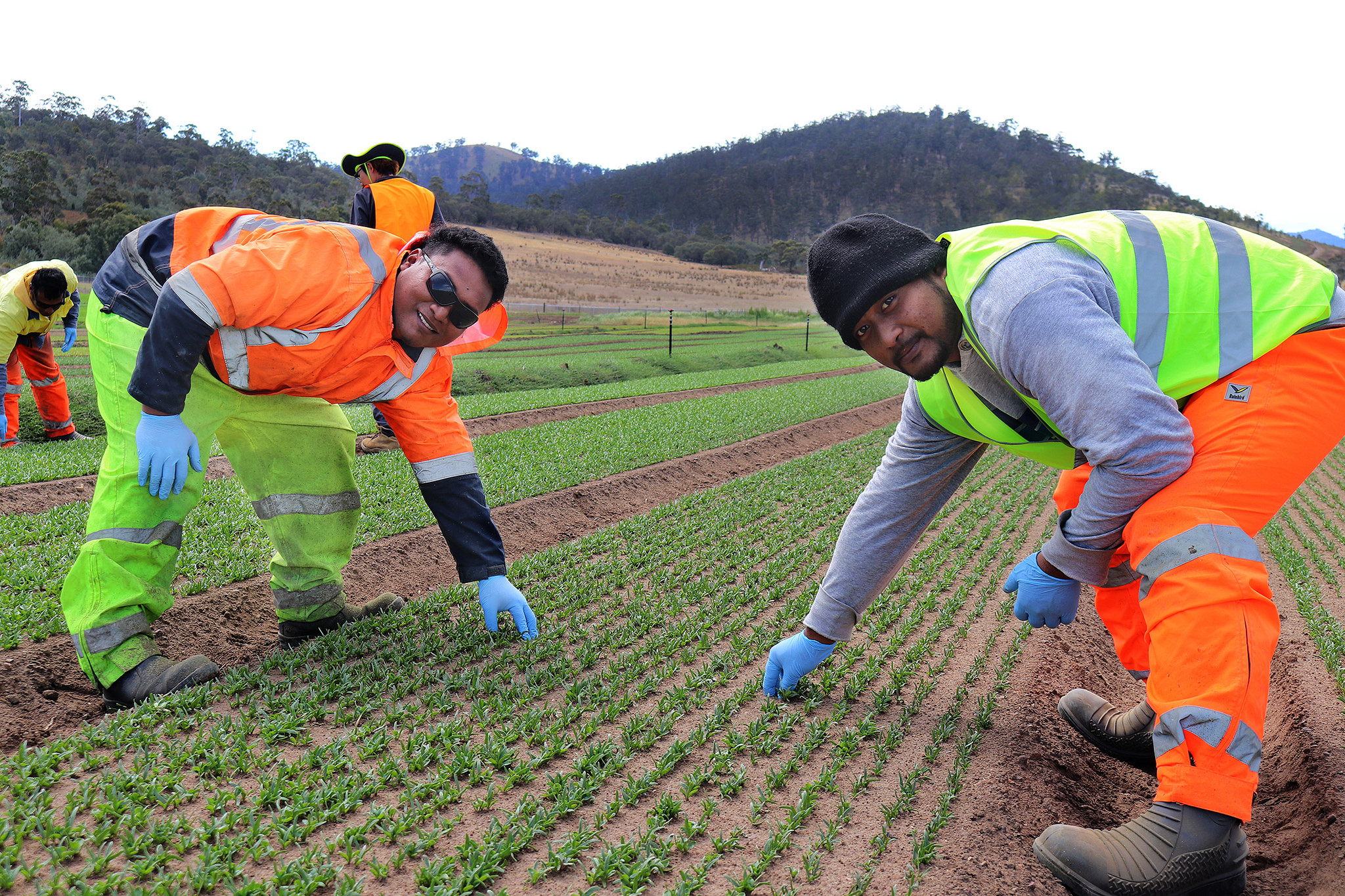
Farm work itself includes a variety of tasks beyond fruit picking. Harvesting fruits and vegetables remains one of the most common activities, especially during peak seasons for crops such as apples, berries, tomatoes, citrus fruits, and mangoes. Vineyards also require workers for pruning vines, planting, and grape harvesting.
Livestock farms offer different types of work, including feeding animals, maintaining fences, and assisting with daily operations. Dairy farms require workers for milking, cleaning equipment, and caring for animals. Tree nurseries and reforestation projects sometimes employ workers for planting seedlings, preparing soil, watering plants, and managing young trees.
Individuals who have experience operating machinery may find better-paying positions. Skills related to driving tractors, forklifts, or harvesting machines can increase earning potential and provide access to more specialized roles within agricultural operations.
Before starting work, several practical preparations should be completed. Anyone working in Australia must obtain a Tax File Number through the Australian Taxation Office. This number is necessary for legal employment and tax reporting. Opening an Australian bank account is also essential because employers usually transfer wages electronically.
Workers should also have a superannuation account. Employers contribute to this retirement fund as part of employment conditions. If a worker eventually leaves Australia permanently, they may be able to claim these accumulated funds through the appropriate government process.
Depending on the job, protective equipment may be required. Some farms provide items such as gloves, high-visibility clothing, or safety boots, while others expect workers to bring their own. Transportation is another important consideration. Many farms are located in rural areas far from public transportation routes. Having access to a vehicle can significantly increase employment opportunities.
Workers should also remain aware of their rights and take steps to avoid exploitation. Unfortunately, temporary agricultural work can sometimes expose migrants to unfair treatment. Before beginning any job, it is advisable to request a written agreement that outlines wages, duties, and working hours.
Australian labor laws require employers to follow minimum wage standards. As of 2026, the national minimum wage is approximately twenty-three Australian dollars per hour, although some harvesting roles may operate on a piece-rate payment system based on productivity. Workers should never accept arrangements where compensation consists only of food or accommodation without proper wages.
The Fair Work Ombudsman is responsible for protecting workers’ rights in Australia. Migrants who experience unfair treatment can report concerns confidentially through this agency.
Because farm work often involves physically demanding tasks, maintaining good health is essential. Early mornings, outdoor conditions, and repetitive physical movements can place strain on the body. Drinking enough water, taking rest breaks, and maintaining proper nutrition can help reduce fatigue and prevent injury.
Social well-being is equally important, particularly when living in isolated areas. Workers who stay in shared accommodations or engage with local communities often find it easier to manage the emotional challenges that can arise from living far from urban centers.
Although many migrants initially take farm jobs as temporary employment, the experience can sometimes lead to broader opportunities. Some individuals later qualify for regional migration programs or secure employer sponsorship through regional visas. Demonstrating reliability, teamwork, and strong work ethic can leave a positive impression on employers who may be willing to support long-term opportunities.
Agricultural work may also open doors to related fields such as machinery operation, agricultural logistics, livestock management, or agricultural technology. For migrants who are willing to learn and adapt, the industry can provide more than just short-term income.
Conclusion
Farm work in Australia is not glamorous. It is physically demanding and requires dedication. Yet it also represents one of the fastest ways for newcomers to enter the workforce, earn money, and build connections in a new country. For many migrants, it becomes the first meaningful step toward building a stable life.
Preparation makes the difference. Understanding your rights, respecting visa rules, and approaching opportunities with determination can transform a simple job into a foundation for long-term success in Australia. Sometimes the journey toward a new life begins with the willingness to start early in the morning and work hard in unfamiliar fields.